Why Clients Trust Body Contouring Farmington Hills for Body Shaping
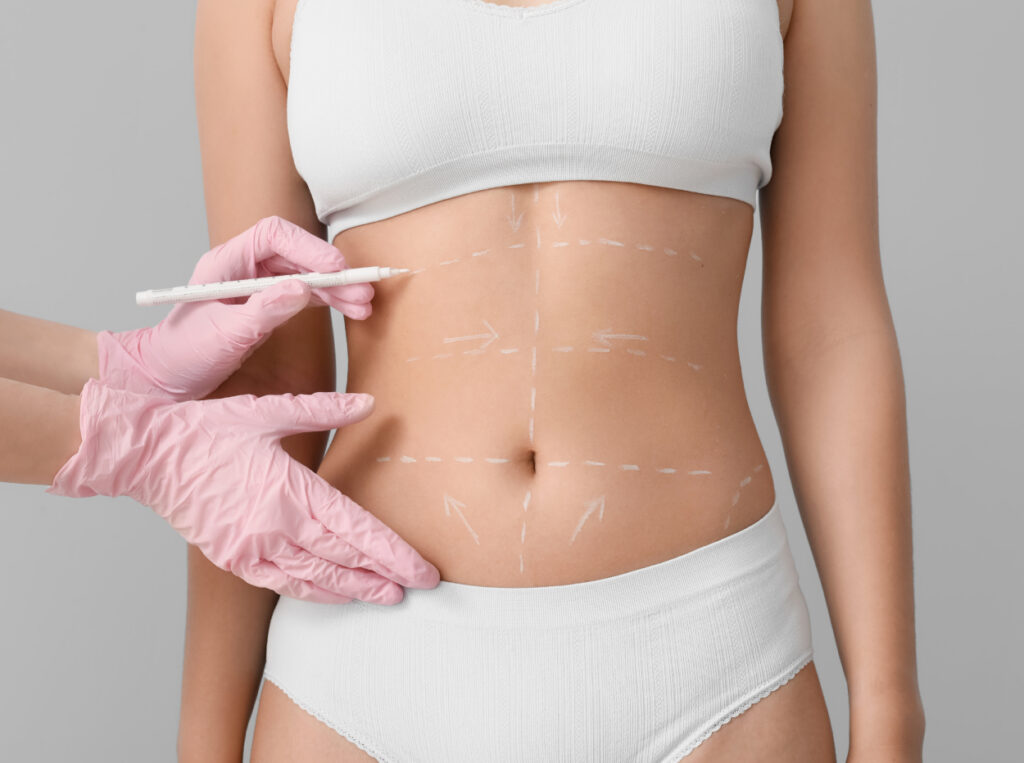

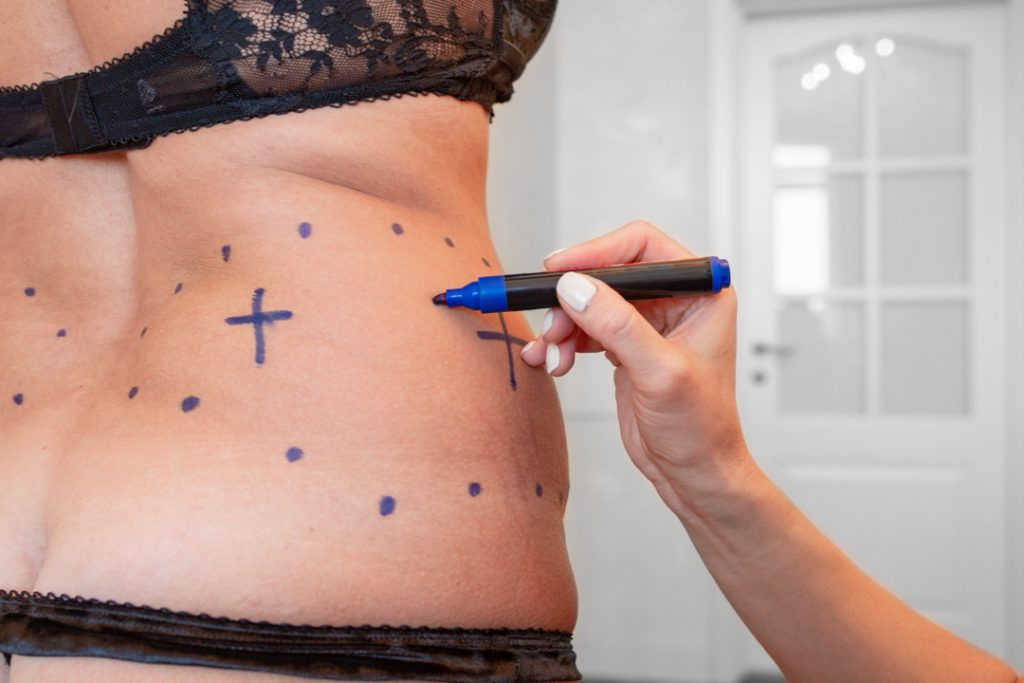
Body shaping is personal in a way many aesthetic services are not. People may talk casually about facials or hair color, but body contouring usually comes up after a long period of frustration. It often follows months, sometimes years, of trying to slim down a particular area that simply does not respond the way the rest of the body does. The abdomen after pregnancy, the flanks after weight loss, the inner thighs despite regular exercise, the under-chin fullness that seems to run in the family. These concerns are common, but they rarely feel ordinary to the person living with them.
That is one reason trust matters so much in this category. A client considering body contouring is not just asking whether a treatment exists. They are asking whether the provider understands anatomy, sets realistic expectations, and knows how to tailor a treatment plan to a body that is unique, not theoretical. When people search for Body Contouring Farmington Hills, they are usually looking for more than technology. They are looking for judgment, safety, consistency, and results that make sense for real life.
Trust begins with honest conversations
The first marker of a trustworthy body contouring practice is not the machine in the treatment room. It is the quality of the consultation. Experienced providers know that the consultation is where expectations are either clarified or quietly distorted. If a client comes in hoping for dramatic weight loss from a contouring treatment, an ethical provider corrects that immediately. Body contouring is not a substitute for broad weight reduction. It is designed to refine shape, address stubborn pockets of fat, improve skin laxity in some cases, and help clients feel more proportionate in clothing and in their own skin.
That honesty matters. It prevents the most common form of dissatisfaction, which is not poor treatment, but mismatched expectations. A provider who explains the difference between fat reduction, skin tightening, muscle toning, and lymphatic support is showing expertise. A provider who glosses over those distinctions is usually selling, not guiding.
In Farmington Hills, trust tends to build through these practical interactions. People remember when someone took the time to explain why the lower abdomen may respond more slowly than the upper abdomen. They remember being told that hydration, sleep, and weight stability can influence visible change. They remember when a provider said, with complete calm, “You may be a better candidate for a different modality,” instead of pushing the service already on the schedule.
That kind of candor is rare enough to stand out.
The most trusted providers do not treat every body the same way
Body contouring works best when it is customized. Two people can have the same dress size and completely different treatment needs. One may have localized fat with good skin elasticity. Another may have mild laxity after major weight loss. A third may have a strong fitness routine and simply want more definition through targeted muscle stimulation or a tightening protocol. Treating all three people with a one-size-fits-all approach usually leads to mediocre outcomes.
Clients trust Body Contouring Farmington Hills providers who understand these differences before the first session begins. That trust grows when the plan reflects specifics such as age, skin quality, healing tendencies, hormone changes, previous surgeries, and how noticeable the concern is in normal daily clothing, not just under harsh treatment-room lighting.
I have seen this play out repeatedly in aesthetic settings. The clients who feel happiest at the end are often not the ones who chased the most aggressive treatment. They are the ones whose provider matched the method to the tissue. For instance, a patient with mild lower-face fullness and firm skin may do well with a fat-reduction approach, while a patient with loose tissue in the same area may be disappointed if tightening is not addressed. It is not enough to identify the visible concern. The provider has to identify what is actually causing it.
That level of evaluation builds confidence because it feels grounded. Clients can tell when a recommendation comes from observation rather than a script.
Technology matters, but judgment matters more
Body contouring devices get plenty of attention, and understandably so. Different platforms may use cooling, radiofrequency, ultrasound, electromagnetic stimulation, or combinations of these principles. Each has a place. Each also has limits. Trust is not created by owning the newest system on the market. Trust comes from knowing when not to use it.
A seasoned provider looks beyond a device’s marketing language and focuses on fit. Is the treatment appropriate for the area being addressed? Can the handpiece or applicator contour that area effectively? Is the client likely to tolerate the treatment well? Will the tissue response be gradual and natural-looking, or is the person hoping for a timeline that the modality cannot realistically deliver?
This is where professional experience shows. A less experienced operator may focus on what the device can do in ideal conditions. A stronger provider talks about what it tends to do in everyday practice, with ordinary clients who have jobs, stress, imperfect habits, and the usual fluctuations that come with adult life.
Clients notice that difference. They trust providers who can discuss both the upside and the boundaries of a treatment without sounding defensive or vague.
Safety is one of the quiet reasons clients return
Most clients do not walk into a consultation saying, “Tell me about your safety protocols.” Yet safety is one of the strongest drivers of loyalty. It shows up in a thousand small decisions. A provider reviews medical history carefully. They ask about previous cosmetic work, implanted devices, medications, skin sensitivity, recent illness, and major weight changes. They document baseline photos consistently and explain why timing matters when assessing progress. They do not rush setup. They give aftercare instructions that are specific rather than generic.
Safety also means knowing when to pause. If a client arrives dehydrated, sunburned, or recovering from another procedure, a responsible provider may reschedule. That can be inconvenient in the moment, but it builds lasting trust because it proves the clinic is not driven solely by volume.
The same is true when a provider recognizes a contraindication and declines treatment altogether. In the short term, that may mean losing a booking. In the long term, it signals integrity. People talk about those experiences. In communities like Farmington Hills, where word of mouth still carries real weight, integrity spreads quickly.
Clients trust what feels measurable
A good body shaping experience is not based on hype. It is based on observable change. The most trusted practices make progress visible in a disciplined way. They use consistent photography, take measurements when appropriate, and anchor follow-up conversations in side-by-side comparisons instead of memory alone.
This matters because body contouring results are often gradual. Fat reduction and tightening typically do not appear overnight. Some treatments create an earlier sense of firmness or improved tone, but many unfold over several weeks or a few months. Without structure, clients may overlook progress or become discouraged too early.
Trusted providers prepare clients for that timeline in advance. They explain that inflammation can temporarily mask the final outcome. They explain why some areas improve in stages. They may also point out that body contouring is easier to appreciate when wardrobe fit changes, when a waistband sits flatter, or when a bra line appears smoother, not only when the scale moves.
The practical signs clients often watch for include:
- Clothing fits more evenly through the treated area.
- Fullness appears reduced in photos from familiar angles.
- The outline of the waist, abdomen, or thighs looks cleaner.
- Skin in the area seems firmer or less creased, when tightening is part of the plan.
- The result looks natural, not abrupt or overdone.
That last point matters more than many people realize. The best body contouring rarely announces itself. Friends may say someone looks refreshed, leaner, or more balanced without identifying why. For many clients, that subtlety is exactly the goal.
The Farmington Hills factor: convenience, continuity, and community reputation
Location alone does not create trust, but convenience supports consistency, and consistency supports results. Body contouring often requires a series of sessions or staged follow-up. Clients are much more likely to complete a plan when the clinic is accessible, scheduling is organized, and the overall experience feels efficient rather than stressful.
For people seeking Body Contouring Farmington Hills services, that local continuity can make a real difference. They are not traveling across the region for every appointment. They can build an ongoing relationship with the same team. They can ask questions between sessions without feeling like a number. They are more likely to return for maintenance if they have already had a positive experience with the practice.
Community reputation also matters in a way that online marketing cannot fully replicate. A clinic may have attractive branding, but clients often trust what they hear from neighbors, coworkers, fitness instructors, hairstylists, and friends. Those referrals tend to sound specific. “They were honest with me.” “They did not oversell.” “They showed me before-and-after photos at the same angle, same lighting.” “They explained why I needed patience.” Specific praise is usually a sign of real credibility.
Good providers talk openly about who may not be an ideal candidate
Nothing undermines trust faster https://andrewmzd995.unionquill.com/posts/how-technology-is-changing-body-contouring-farmington-hills than pretending every person is an excellent match for treatment. In body contouring, candidacy matters. A healthy candidate is often close to their stable weight, has a defined area of concern, understands that results can take time, and is willing to support the process with reasonable habits. That does not mean a person needs to live a perfect lifestyle. It means they need to have enough consistency that any treatment result has a fair chance to show.
On the other hand, someone seeking rapid scale reduction, someone with major untreated medical concerns, or someone with severe skin laxity expecting a nonsurgical treatment to mimic surgery may not be well served by body contouring alone. Trust grows when the provider says that clearly.
This kind of guidance can be surprisingly reassuring. Clients do not necessarily need to hear “yes” at every stage. They need to hear a recommendation they can believe. If that means waiting until weight is stable, improving hydration, spacing out treatments appropriately, or considering another category of care, the conversation is still valuable. In fact, it is often more valuable because it reflects discernment.
Results feel better when the plan is realistic
There is a practical rhythm to body shaping that experienced clients come to appreciate. The most satisfying plans are usually not the most extreme. They are structured, realistic, and responsive. A provider may start with one core concern, assess tissue response, and then adjust timing or add complementary treatments if appropriate. That approach avoids overtreating and allows the body to show what it is doing.
A realistic plan usually includes a few essentials:
- A clear target area rather than a vague hope to “fix everything.”
- A treatment timeline that matches the biology of the modality being used.
- Honest discussion of likely improvement, not perfection.
- Follow-up visits to assess response and document change.
- Guidance on maintenance, weight stability, and supportive habits.
Clients trust providers who lay this out plainly because it turns an emotional decision into a manageable process. It also prevents disappointment from timelines that were never plausible to begin with.
One of the more common examples is the client preparing for a milestone event. They may be thinking about a reunion, vacation, wedding, or a return to fitted workwear after a prolonged stretch of prioritizing everyone else. A skilled provider will ask when that event is, then work backward. If there is enough lead time, a thoughtful contouring plan may help. If there is not enough time for the chosen modality to fully mature, the provider should say so and discuss what can realistically be achieved before that date.
That kind of planning builds immense confidence because it respects both the calendar and the client’s emotions.
The human side of body shaping matters more than marketing suggests
Many aesthetic services get discussed in technical terms, but body contouring is deeply psychological. It intersects with self-image, age, motherhood, athletic identity, grief, menopause, post-weight-loss adjustment, and confidence after illness or life disruption. People are not simply trying to look smaller. They are often trying to feel more familiar to themselves.
The most trusted providers understand that without dramatizing it. They know when a client wants detail and when a client just wants reassurance. They know that some clients are eager to compare before-and-after photos at every visit, while others need a slower pace because the process feels vulnerable. They know that one person wants a highly analytical explanation of tissue response, and another wants to know whether their work pants will sit better by the end of the season.
This emotional intelligence can be hard to quantify, but clients recognize it immediately. It is present in tone of voice, in patience, in how concerns are answered, and in whether a person feels seen rather than managed. Technical competence is essential. Bedside manner is not a bonus in this field. It is part of the treatment experience.
Why subtle, sustainable outcomes create the strongest loyalty
The body shaping results people talk about most positively are often the ones that settled in naturally. They did not make the client look dramatically different from one week to the next. They made the body feel more aligned with the effort the client was already putting in. That distinction is important.
A patient who exercises regularly but cannot smooth the lower abdomen despite strong habits often feels relieved when contouring finally closes the gap between effort and appearance. A postpartum client may not expect to look exactly as she did at twenty-five, but she may want to feel less disconnected from her shape. A man in his forties may not care about a flashy transformation, but he may care very much that his shirts fall better through the midsection. These are not extravagant goals. They are grounded, personal, and highly meaningful.
When a provider helps clients reach those goals responsibly, trust deepens into loyalty. People return not because they were promised the impossible, but because they experienced competent care, clear communication, and outcomes that felt worth the investment.
What clients remember after the treatment series ends
Long after the last appointment, clients tend to remember a few things clearly. They remember whether they felt pressured. They remember whether timelines were explained honestly. They remember whether the office followed up. They remember whether the provider adjusted the plan when their body responded more slowly or more quickly than expected. They remember whether the results looked like them, only more polished, more balanced, or more comfortable in their own clothing.
That is why trust in Body Contouring Farmington Hills is not built on a single factor. It comes from the combination of skilled assessment, appropriate technology, careful safety standards, realistic planning, and human communication that does not feel rehearsed. People are willing to invest in body shaping when they believe the provider is seeing the whole picture, not merely selling a session.
For clients, trust is the real starting point. Once that is in place, the treatments themselves have a much better chance of delivering what body contouring is supposed to offer: refinement, confidence, and a result that feels both visible and believable.
Aesthetic Plastic Surgery & Laser Center, Michelle Hardaway M.D.
Address: 27920 Orchard Lake Rd, Farmington Hills, MI 48334
Phone number: +12482211957
FAQ About Body Contouring Farmington Hills
What does body contouring actually do?
Body contouring (or body sculpting) eliminates stubborn localized fat, tightens loose, sagging skin, and reshapes your silhouette. It is not a weight-loss tool, but rather a cosmetic procedure used to refine and tone specific trouble spots after major weight loss, pregnancy, or aging.
How much does body contouring usually cost?
The total cost of body contouring usually ranges from $2,000 to $25,000+ depending entirely on whether you choose non-surgical sessions or major surgical procedures.
Because "body contouring" covers everything from simple fat-freezing to comprehensive post-weight-loss surgeries, pricing is heavily categorized by the method used.
What is the best type of body contouring?
Liposuction is a huge topic and worth discussing in more detail, but in terms of body contouring and sculpting, nothing does the job better than liposuction, particularly VASER liposuction.